

Introduction
Every business, at some point, confronts a fundamental question: how do we grow without losing what made us successful in the first place? For companies built on asset-intensive, operationally complex core businesses like power utilities, plantations, and manufacturing, the answer involves looking more carefully at what the core already contains.
This Whitepaper explores how RPSG Group companies, PCBL Chemical, Harrisons Malayalam Limited (HML) and CESC, have approached diversification as a deliberate extension of the core business. The companies have identified underutilised assets and embedded expertise within their existing operations, and have begun converting these into meaningful new revenue streams.
Their experiences offer a practical framework for any asset-rich, operationally established business considering how to broaden its commercial base without compromising operational excellence or stakeholder trust.

The Case for Diversification
Why Core Businesses Need to Think Beyond
The structural pressures facing established industries are well documented. Commodity prices can be highly unpredictable; input costs, like labour, rise faster than output prices, especially in regulated or low-margin sectors; geopolitical developments and climate volatility interrupt supply chains.
However, there can be a number of strategic responses available to companies that already possess assets that take years and capital to build: land, infrastructure, institutional knowledge, customer relationships, and a trusted brand within their operating geography. The diversification opportunity thus, in most cases, is about seeing what is already there differently.
What Successful Diversification Looks Like
The examples in this Whitepaper share a common set of characteristics:
- The new activity leverages an asset or capability that the core business already possesses.
- It serves a customer or stakeholder already in the company’s orbit, or naturally drawn to what the company’s assets represent.
- It does not require the core business team to master an entirely new domain unaided. Partnerships with specialists are used where expertise gaps exist.
- It generates returns that are meaningfully incremental, with a credible path to becoming a significant vertical over time.

Case Study 1
PCBL Chemical Limited
From Carbon Black to a Multi-Material Science Company
Background
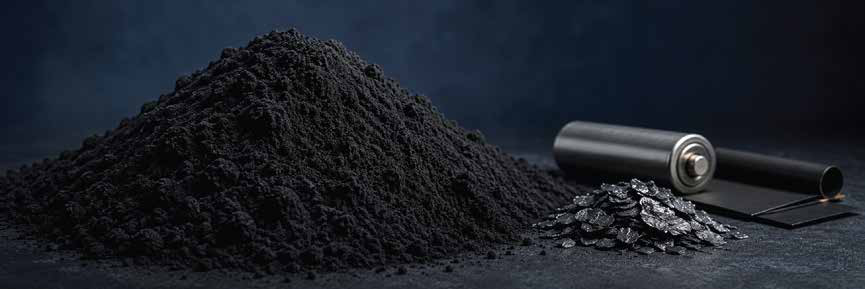
PCBL Chemical Limited is India’s largest carbon black manufacturer. Carbon black, a fine black powder, produced by burning hydrocarbons in a controlled way with limited oxygen, is used to strengthen rubber in tyres and make them durable. It also finds application in plastics, paints, and inks.
Over decades of making carbon black, PCBL Chemical built two things that turned out to be more valuable than the product itself. The first is what the company calls a manufacturing muscle: the ability to take raw materials, run a tightly controlled industrial process, and consistently produce a high-quality output at scale. The second is an application muscle: the ability to understand exactly what a customer needs from a material, and then engineer it to meet those requirements.
Together, these two capabilities are what PCBL Chemical is now using to move well beyond carbon black.
The Starting Point: Looking at the Value Chain
When PCBL Chemical began thinking about diversification, the first question it asked was where, within the industries it already served, further business opportunities existed. Following the value chain led it directly to battery materials used in electric vehicle (EV) and Energy Storage applications.
A battery has four main components: the cathode, the anode, the electrolyte, and the separator. The cathode and anode together account for roughly two-thirds of the total material cost of a battery.
They are also the most technically demanding materials to manufacture and are critical to the performance of batteries. This space is currently dominated by China and is ripe for alternate manufacturing sources.
PCBL Chemical is using its existing expertise and capabilities to make battery-grade carbon black materials, which cover approximately 50–60% of the requirements. The remaining gap could be bridged through partnerships and technology acquisitions.
New Platforms Built on the Same Foundation
PCBL Chemical has used its manufacturing and application capabilities to build three distinct business platforms, each different in chemistry but driven by the same underlying strength.

Specialty Carbon Black
The first platform stays within carbon black, but moves into a more specialised and higher-value segment that adds a commercial engine to drive aggressive growth. Specialty carbon black is engineered to perform in specific applications, with a commercial layer supported by its network of distribution partners and warehouses. PCBL Chemical has developed specialty grades that are new to India.
Superconductive carbon black is added to battery electrodes to help electricity flow through them more efficiently. PCBL has built a commercial production line for it and is the only company in India making this grade.
Acetylene black is made using a completely different process from regular carbon black, using acetylene gas instead of heavy oil. It is exceptionally pure and conducts electricity very well, making it valuable in batteries and high-end electronics. PCBL Chemical acquired Chinese technology and the plant is expected to be up and running by end of 2027.
When both are operational, PCBL Chemical will be the only carbon black company in the world making superconductive black, acetylene black, and standard carbon black under one roof.
Battery Materials
The second platform is where PCBL Chemical has made its boldest move. The company is working to become a company that can supply multiple materials that go into a battery. The focus is on the anode, the negative electrode of the battery, because that is where the largest opportunity for new materials lies.
Graphite makes up about one-third of a battery anode. It is a form of carbon, which means PCBL’s existing knowledge gives it a meaningful head start in developing battery-grade graphite. PCBL is exploring a route to develop a bio-graphite-silicon composition.
Nano silicon is a newer and more ambitious addition. Silicon can hold much more energy than graphite in a battery anode, which makes it attractive for next-generation batteries. The challenge is that silicon swells and shrinks as the battery charges and discharges, which can cause the electrode to crack over time. Making silicon particles at the nano scale, extremely small, reduces this problem, but manufacturing them reliably in large quantities is technically very hard.
PCBL Chemical entered nano silicon through a joint venture with Kinaltek, whose founder has developed a unique process for making it.
The pilot plant is now ready at the company’s facility in Palej, Gujarat. The company is also exploring carbon nanotubes and graphene, both carbon-based materials with exciting potential in batteries and other advanced applications.
Turning By-products into a New Business
One of the more striking aspects of PCBL Chemical’s approach is how it thinks about the waste generated by its newer processes. Rather than treating waste as a cost, the company asks whether it can be transformed into a product.
When acetylene black is produced, one of the by-products is calcium carbonate, the same material that chalk is made from. Just as carbon black, PCBL Chemical’s primary product, is used in plastics applications as a black pigment, calcium carbonate is also used in plastics manufacturing as a white filler and pigment. Both materials serve the same industry and often the same customers. PCBL Chemical already has relationships with these customers. As a result, the waste from one process has the potential to become a product that can be sold through existing channels.
The nano silicon process also generates a waste stream, and early indications suggest that this by-product may ultimately be worth more than the nano silicon itself. The team is still working through the details.
A third possibility involves using bio materials like rice husk. Rice husk, the outer shell of a rice grain, is a natural source of silicon. The company is exploring an innovative technology to convert such bio materials into silicon.
The Market Opportunity
The battery materials market is largely driven by electric vehicles, grid-scale energy storage, and consumer electronics. The cathode and anode materials are the portion of that market with the highest technical barriers and the strongest margins, which is exactly where PCBL is building its position.
China currently dominates the global supply of battery materials. It has even imposed export controls on battery-grade graphite, meaning Chinese manufacturers are not allowed to freely export it. This has made battery manufacturers in the US, Europe, South Korea, and Japan very eager to find alternative suppliers.
As an Indian company with real technical capability across multiple battery materials, PCBL Chemical is well placed to be part of that alternative. The goal is offering a more complete solution, which gives it a stronger and more durable relationship with the battery value chain.

“The future will belong not to companies with the broadest portfolios, but to those with the strongest value proposition.”
Vaneet Kumar
Chief & Executive Director - Batteries - Specialty, PCBL Chemical Limited
Key Takeaways from the PCBL Chemical Story
Applicable to all businesses
Core strength is not the same as core product.
PCBL Chemical’s real strength is not just carbon black. It is its ability to manufacture complex materials with precision and develop them for specific applications. Once the company recognised this, it could apply those same capabilities to graphite, nano silicon, phosphorus chemicals, and beyond. A company that defines itself by what it makes will always be constrained by that product. A company that defines itself by what it knows how to do has a much broader field in which to operate.
Follow the value chain before choosing a direction.
PCBL Chemical did not diversify by looking for interesting businesses to enter. It mapped where the most value was being created in the industries it already served, and asked whether its capabilities matched those points. That discipline produced a clear direction.
Buying a technology can be faster than building one.
Where PCBL Chemical lacked knowledge, it acquired it through technology transfer agreements and joint ventures rather than developing everything from scratch. The nano silicon pilot plant, built in twelve months at a fraction of the cost of comparable projects, illustrates what focused technology acquisition can achieve.
By-product is often an unrecognised product.
The calcium carbonate from acetylene black, the byproduct from nano silicon, was initially a disposal problem. It turned out to have commercial value, with customers PCBL Chemical already served. The mindset that looks for value in a waste stream is the same one that finds new products in unexpected places.
Case Study 2
Harrisons Malayalam Limited
Turning a Plantation Legacy into an Experience Economy
Background
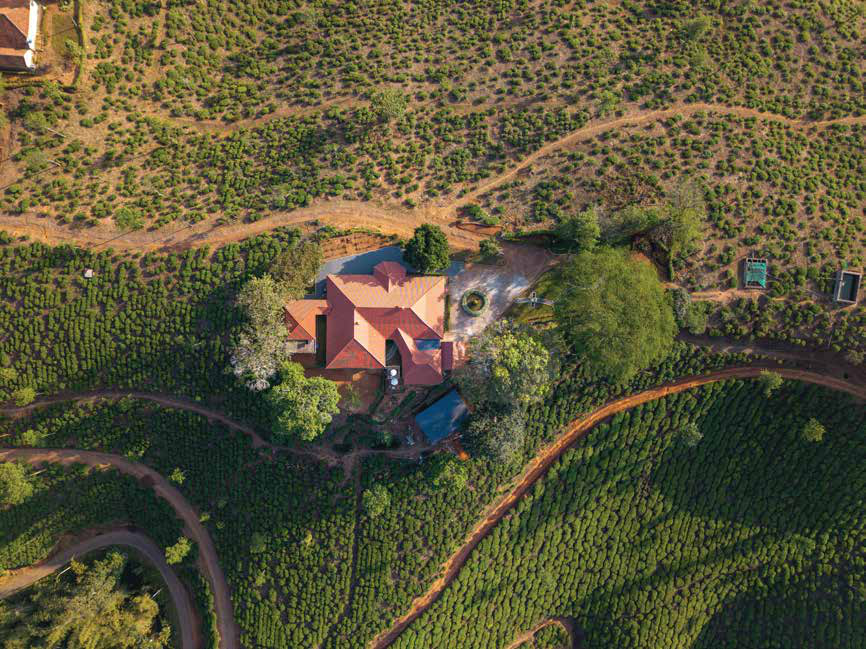
Harrisons Malayalam Limited is one of India’s largest plantation companies, with estates across Kerala and Tamil Nadu. It produces tea, rubber, coffee, and spices such as cardamom and vanilla. Many of its plantations date back over a century, featuring expansive landscapes, heritage bungalows, water bodies, and deep institutional knowledge built over generations.
Earlier, strict plantation laws in Kerala limited how these assets could be used. Land was restricted to specific crops, bungalows to estate use, and factories to processing, leaving much of the broader landscape and heritage outside the commercial scope.
The business case for change was compelling and urgent. Tea and rubber prices are volatile, swinging dramatically over periods of ten to fifteen years with no reliable floor. Climate change has reduced crop yields. Geopolitical instability adds further unpredictability; a single blocked port can interrupt export supply chains overnight. And running through all of this is a cost structure that is demanding. Kerala’s plantation wages are the highest in the world for the sector. HML competes in international markets against producers from economies where labour costs are a fraction of those in Kerala.
The Regulatory Breakthrough
HML has been at the forefront of advocacy through various plantation and policy-making bodies, working closely with the Government to push the agenda. The first objective was to secure recognition of plantations as an industry and to establish a separate body for the plantation sector. This was accepted by the Government, and the Plantation Directorate in Trivandrum, along with district-level officers, was formed.
Subsequently, based on requests from the sector, the Government of Kerala commissioned a study by IIM Calicut on the issues facing the plantation sector and the way forward. The Commission undertook extensive visits and deliberations with stakeholders and recommended that a plantation policy be framed for the state. This policy was to include diversification of land use and activities to enhance revenues in plantations.
Accordingly, the Government introduced a norm permitting 5% of plantation area to be utilised for non-plantation activities, including crop diversification and ancillary activities such as tourism, subject to certain limitations.
“Five percent is a small number. But it was the beginning of something significant.”
Santosh Kumar
CEO, Harrisons Malayalam Limited
The Heritage Tourism Strategy: Selling an Experience
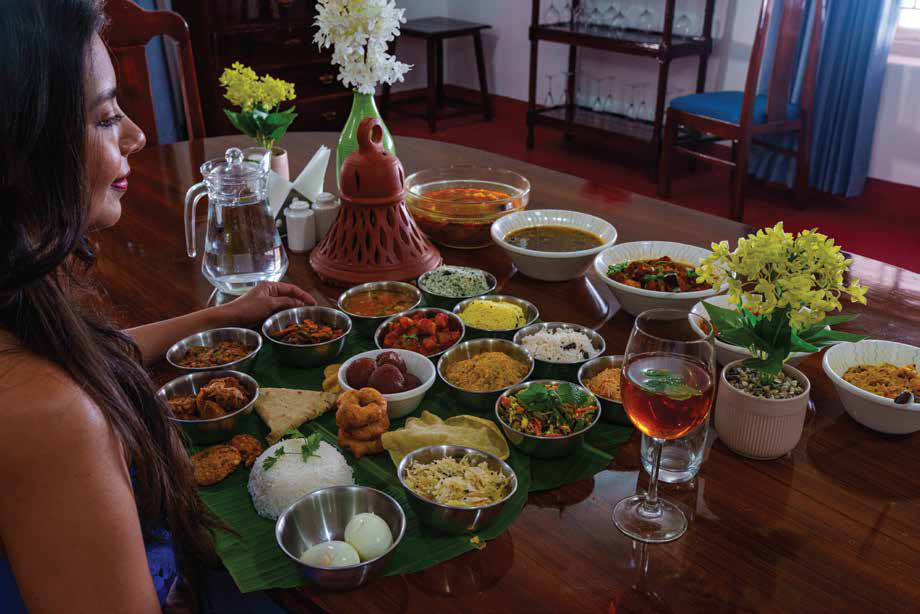
HML’s tourism model is positioned in the luxury and curated segment. Instead of competing on scale, HML envisioned a tourism that was based on the experiencing plantation and the life of a heritage tea planter.
The guests at HML bungalows get to live inside a plantation, in bungalows which are more than 100 years old, created by the British. They watch the workers pluck tea leaves early in the morning. Then they visit the tea factory and see the full process of manufacture, from leaf to cup, often on equipment that has been running for seventy, eighty, ninety years or more. At the end of it, they are handed a cup of tea made from the leaves that were plucked on the plantation they walked through.
The bungalows have been deliberately maintained in their heritage condition. Nothing was done during the refurbishment for tourism that would erase the character of the original structure. The aim was that a guest who arrives at one of these properties should feel, within the first few minutes, that they have stepped into a different world and era. Every touchpoint is curated to carry a legacy and tradition.

The Partnership Model
HML was aware that their expertise lies in growing and processing tea and rubber, while hospitality is a discipline requiring different expertise. The company, therefore, partnered with hospitality experts who are well renowned for responsible tourism initiatives like CGH Earth and Ama Stays by Taj for this project.
HML provides the infrastructure: the bungalow, the land, and the staff from the estate. The hospitality partner provides the operational expertise: bookings, guest management, trained front-of-house capability, and access to an existing clientele. The company invests in the renovation of the properties and retains a larger share of the revenue coming from tourism. They work only with premium partners to safeguard the quality of the venture and ensure that it remains a premium offering.
Finding Niches That Can Generate Revenue
- Lockhart Estate, Munnar (Kerala): HML’s first converted bungalow is operated in partnership with CGH Earth, a Kerala-based group known for responsible tourism. Owing to its exquisite location, Lockhart became the highest revenue-generating property in CGH Earth’s portfolio within ten months of opening. The estate factory attracts 200 to 300 visitors daily for ticketed tea manufacturing tours. Visitors taste tea, purchase products, and carry the experience back with them.
- Wentworth Estate, Cherambadi (Tamil Nadu): Two bungalows are operated with Ama Stays by Taj. This pristine location sits within the Nilgiri Biosphere Reserve at the tri-junction of three major wildlife sanctuaries: the Kerala Wildlife Sanctuary, Bandipur and Nagarhole in Tamil Nadu and Karnataka. The estate carries layers of history that have become part of the tourism offering. The British came to Cherambadi first not for tea but for gold. Live gold shafts are still visible on the estate, and visitors can watch gold panning in the traditional manner. A cave recently discovered on the estate was built by the Tribal King of Wayanad as a guerrilla hideout during his resistance against the British. Every detail of its design, including the escape routes and false passages, remains intact and has become a major attraction for visitors.
- Vandiperiyar, Idukki District (Kerala): Two bungalows near the Periyar Tiger Reserve are currently being developed. One of them, Pattumalai bungalow, takes its name from the Malayalam word for silk, reflecting the mulberry cultivation that preceded tea on that land. The bungalow has become a regular filming location for prominent Malayalam film productions. HML is developing it into a film studio experience: a curated space where visitors can see the memorabilia, learn the stories behind the shoots, and engage with the bungalow’s cinematic history.
- Fort Cochin (Kerala): Three heritage bungalows close to the seafront in one of Kerala’s highest-footfall heritage districts have currently been developed into an Ayurvedic rejuvenation resort and attract an exclusively foreign clientele from across the world.
- Nagamalai Rubber Estate: HML has extended the tourism model to its rubber operations. Nagamalai Estate is situated adjacent to the Sindurani Wildlife Sanctuary and is a pristine location. It is somewhat isolated, with difficult roads and an abundance of wildlife, where elephants, leopards, deer, peacocks, Malabar squirrels, nilgai, and several other species are a constant presence. These were once considered disadvantages, but they have now proved to be the primary attraction for guests seeking adventure and wildlife experiences.

Heritage Tourism for Returning Visitors
HML has been operating its estates for over a hundred years. British officers and executives lived on these properties for decades. Their children and grandchildren were born here. Some of those families are now making their way back, from the UK and elsewhere, to see the place where they or their parents grew up.
One family recently recalled that the tree planted outside the bungalow was the very one planted at the time of her birth, and it is still standing today. Another visitor from the UK remembered stories of how she had been delivered by her mother on the way to the hospital, 40 kilometres away, in a bullock cart. Many of the erstwhile British planters lost their lives to malaria, snake bites, and other hardships of the era. Their cemeteries, located on the property and at the nearby church, still attract their kith and kin, who come to visit and pay their respects.
These memories form a part of the legacy and tradition that HML evokes in the minds and hearts of people who have been a part of this journey, as well as those who come to experience the carefully curated feel of a bygone era.
Ancillary Revenue Streams
The company is targeting multiple revenue streams, in addition to its heritage stays. Curated factory visits, tea tours, kiosk-based tea sales, plantation trails, off-roading, adventure sports, and biodiversity walks are some of the areas being explored and activated.
Factory visits at Lockhart draw 200 to 300 visitors daily. Visitors pay an entry fee to watch live tea manufacturing, taste multiple varieties of tea, and purchase directly from the estate. The same tea that trades at commodity prices in the open market, sometimes as low as Rs 200 to 300 per kilogram, commands several times that value at the kiosk. Speciality teas, particularly white and green teas, have generated significant interest among both overseas and domestic buyers.
- On-estate activities include plantation trails, tea-tasting sessions, trekking, wildlife observation, and cave tourism. A 1.5 kilometre zipline at Lockhart is currently awaiting regulatory clearance.
- Caravan tourism is being actively considered. The infrastructure required to host caravans is modest, and the locations are already available with HML.
- A tourist plaza concept is also in early development at Lockhart, in collaboration with the Kerala Tourism Department. The estate sits on the Munnar-Dhanushkodi Highway. HML has proposed developing a stopping point on the highway, with proper amenities such as EV charging points, eateries, clean comfort rooms, and tea sale kiosks, to provide a holistic experience for highway travellers.
Community, People, and Responsible Tourism
For every activity, HML keeps in mind the well-being of the people who live and work there. For example, at Lockhart Bungalow, HML recruited children of plantation workers who had already completed hotel management training. They underwent a period of structured training with a hospitality partner and were then employed on the estate. Having grown up there, they bring an authenticity to the guest experience that cannot be taught.
Similarly, indigenous communities on the fringes of some estates are being integrated into the visitor experience. Guests can meet these communities, gain insight into their way of life, and engage with cultures that are genuinely distinct. For the communities, this creates income and visibility, and for guests, it offers an authentic experience of the place.
Documenting Biodiversity
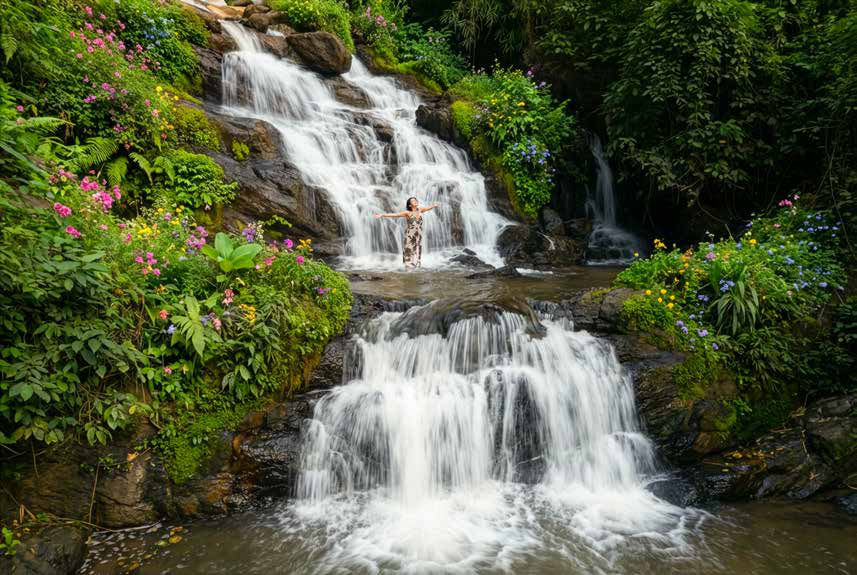
HML estates occupy pristine locations in the Western Ghats, one of the world’s biodiversity hotspots and a UNESCO World Heritage region, with a wide range of flora and fauna, many of which have not yet been fully studied. HML’s initiative, termed BIO-LOG, encouraged estate workers to photograph existing species of flora and fauna using their mobile phones during their daily work. These images were studied and, where species could not be identified, were sent to the Forest Research Institute, the Institute of Tropical Botany, and other research institutions for analysis and documentation. This led to the identification of several species not previously recorded in the Western Ghats.
This community engagement model is unparalleled and has received several accolades. Some of these findings were published in scientific literature and contributed to what is believed to be the first formal biodiversity register created by any plantation company in the world. Workers involved in the process are now better equipped to serve as guides for visiting guests.
HML and the Carbon Story
HML is at the forefront of ESG initiatives. The company has charted a very clear roadmap for its ESG journey, which includes enhanced carbon sequestration, biodiversity in cropping systems, water body development, renewable energy transition, green fuels, and greener products from its factories. Some of the products developed through its in-house R&D, such as enzyme-based deproteinization, nitrosamine-free latex, and no-ammonia latex, have already reached the premium market. Work on modified lignin and quebrachitol extraction is also underway.
These are not only revolutionary products in the sustainability space, but also have a significantly lower ecological footprint. HML is currently working on a carbon monetisation project based on these outcomes and initiatives.
Key Takeaways from the HML Story
Applicable to all businesses
A thorough audit of its own assets and an assessment of their potential can help identify new revenue opportunities.
HML had, for decades, possessed vast land areas, beautiful landscapes, heritage buildings, water bodies, and several other natural assets. What changed was the way the company looked at them. An honest asset audit, asking what someone else might genuinely value, is where most diversification opportunities begin.
Know where one’s expertise ends, and partner accordingly.
HML is a plantation company, without much knowledge of the hospitality business. By partnering with CGH Earth and Ama Stays, it brought in the capability it lacked, without losing control of the assets or the experience it was creating.
The people are often the best assets.
HML employs and trains the children of plantation workers for the hospitality business. They already know the estate, they are invested in it, and they bring an authenticity to the guest experience that an outsider cannot replicate.
Case Study 3
CESC Limited
Background
CESC is one of India’s oldest integrated power utilities, supplying electricity to over 37 lakh consumers across Kolkata and Howrah for over a century. As a regulated utility, CESC operates within a framework that defines its core business, its tariff structure, and the scope of its permissible activities.
CESC’s diversification story is different in character from PCBL’s and HML’s. It is monetising years of accumulated expertise and tacit knowledge, which has not only been passed down through generations but also developed and updated as the technological world progresses.
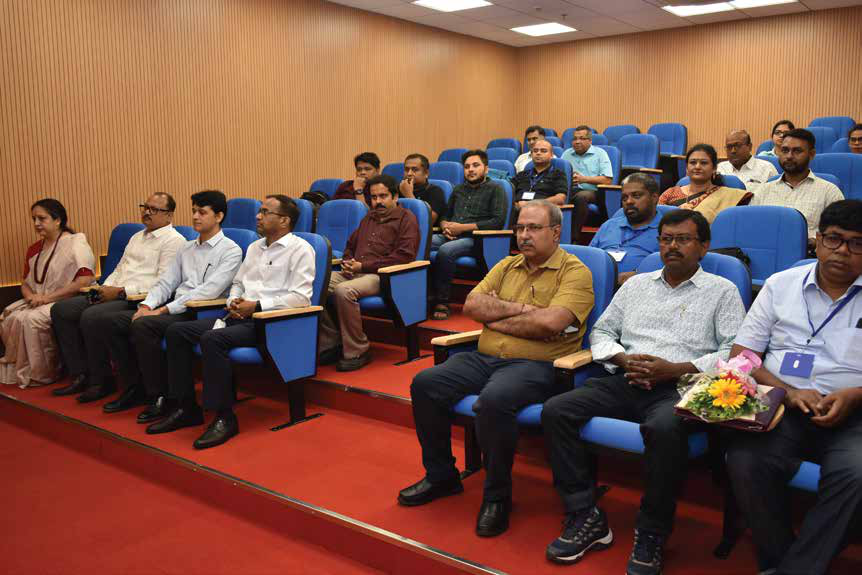
Monetising Expertise: Asia Institute of Power Management (AIPM)
Operating one of India’s most complex urban power distribution networks has given CESC something that cannot be purchased or replicated quickly: deep, practical expertise in utility management. The company’s knowledge spans grid management, load balancing, customer service at scale, billing systems, operational safety, and disaster response.
In 2009, CESC institutionalised this expertise by establishing the Asia Institute of Power Management (AIPM), an ISO 9001:2015-certified training and consultancy wing, in collaboration with Singapore Power Global Solutions. AIPM was conceived to bridge the knowledge gap in the power sector and prepare professionals for the challenges ahead.
What AIPM Offers
AIPM’s training and consultancy portfolio covers the full range of power sector operations:
- Modern Metering and AT&C Loss Management in the Distribution Sector
- Arresting Failure of Distribution Transformers
- Building and Managing a Distribution Network with Reliability and Quality
- Protection and Metering in Power Distribution Services
- Application of IT in Power Distribution Business
- Modern Distribution Practices
- Smart Grid: From Concept to Reality & E-Vehicle
- Renewable Energy Integration, Energy Audit, and Demand Side Management
- Technology & Economics of Solar Energy Generation
- Power Distribution through Overhead and Underground Cables
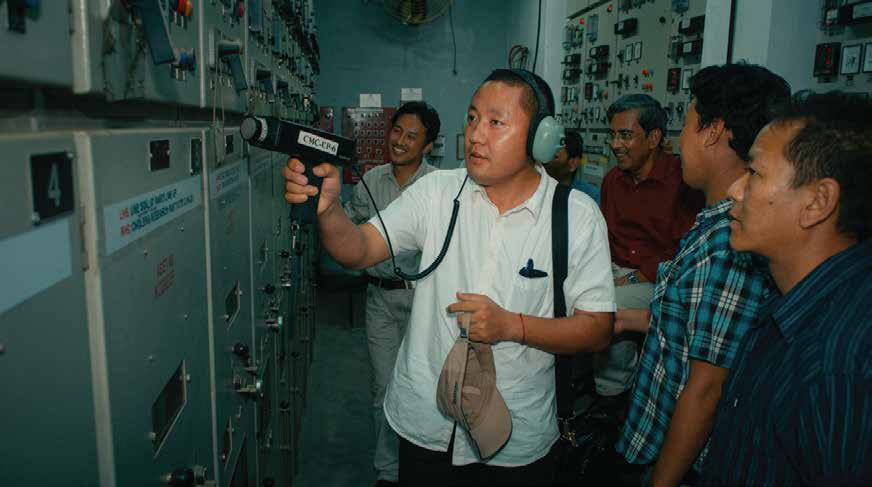
Reach and Scale
Since its inception, AIPM has been delivering customised L&D programmes on Generation, Transmission, Distribution, Renewable Energy and Energy Efficiency to client organisations, not only within the country but also to utilities outside the country. All the programmes are tailor-made according to the requirements of the utilities and include a blend of classroom sessions conducted by domain experts, followed by practical exposure. AIPM has trained over 16,800 professionals across more than 750 training programmes, accumulating nearly 48,500 training man-days from 2010 till date. Its client base includes GETRI, PSPCL, WBSEDCL, WBPDCL, NTPC, Bhutan Power, ERPC and many others.
In recent years, AIPM has extended its model to include online programmes, broadening its geographic reach and making its curriculum accessible to utilities that cannot send personnel for in-person training, as well as professionals who wish to enhance their knowledge on their own.
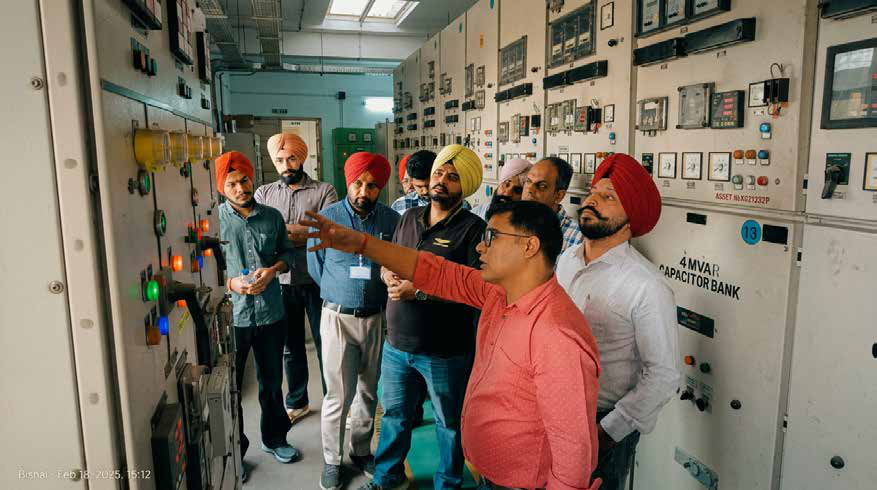
Why the AIPM Model Works
The expertise that underpins AIPM’s curriculum was developed at zero incremental cost. It is the accumulated operational knowledge of CESC’s engineering, distribution, and management teams, built over a century of running one of India’s most demanding urban utilities. The marginal cost of packaging and delivering that expertise is low. The value it represents to recipient organisations is high.
AIPM is also a genuine contribution to the Indian power sector. By sharing what CESC has learned, including the hard-won operational insights, with other utilities, CESC is playing a role in raising capability and reliability across the country.
Key Takeaways from the CESC Story
Applicable to all businesses
Operational expertise has market value beyond the organisation that built it.
CESC’s knowledge of utility management was built through its own operations. AIPM packaged that knowledge and made it available to other utilities that needed it. This is one of the cleanest forms of diversification available to any established organisation.
Diversification does not always require capital.
AIPM did not require any significant new investment. The infrastructure already existed. What they required was a change in perspective: from seeing internal expertise as proprietary, to seeing it as a platform with commercial potential.
Sharing expertise builds credibility as well as revenue.
AIPM’s fifteen years of training power sector professionals have positioned CESC as a thought leader in the Indian power sector, an organisation that others turn to for guidance. That reputational asset has value that extends well beyond what can be measured in training revenues alone.
A Framework for Diversification
Taken together, the PCBL Chemical, HML and CESC examples point toward a replicable framework for core-adjacent diversification. The specifics might differ, but the underlying principles are consistent.
1. Start with an Asset Audit
All three companies began by reviewing what they already had. PCBL Chemical had manufacturing capabilities and application development expertise built over decades. HML had heritage bungalows, vast landscapes, and an embedded hospitality culture. CESC had accumulated operational expertise over many years. None of these diversification efforts required the companies to acquire entirely new capabilities.
2. Map the Value Chain Before Choosing a Direction
PCBL Chemical’s decision to focus on battery materials came from mapping where value was being created in the industries it already served, and then asking whether its capabilities aligned with those points. This discipline, applied before committing resources, is what separates focused diversification from scattered experimentation.
3. Partner for Expertise Gaps
Neither company attempted to master an entirely new domain unaided. HML partnered with CGH Earth and Ama Stays for hospitality operations. CESC established AIPM in collaboration with Singapore Power Global Solutions. PCBL Chemical acquired technology through formal transfer agreements and joint ventures. The discipline of knowing where to partner and where to retain control is central to all three models.
4. Maintain the Primacy of the Core
In each case, the diversification is designed to complement and strengthen the core business. HML’s tea tourism vertical draws its credibility from its reputation as a tea producer. CESC’s training credibility rests on the quality of its utility operations. PCBL Chemical’s battery materials ambitions are grounded in manufacturing and application development capabilities built through carbon black. The core business is the foundation on which the new vertical stands.
5. Build the Infrastructure for Scale Deliberately
All three companies acknowledge that the pace of diversification is constrained by organisational capacity. The discipline of scaling deliberately, committing to quality before volume, protects both the core business and the new vertical alike.
Conclusion
The companies profiled in this Whitepaper are at different stages of their diversification journeys, in different industries, with different assets and different customer bases. What they share is a common insight: that the most durable new business opportunities are often found by looking inward at what already exists and asking whether it is being fully used.
PCBL Chemical has shown that a company defined for decades by a single product can redefine itself as a multi-material science platform, using the same manufacturing and application development muscles it built through carbon black to enter battery materials, specialty chemistries, and process innovation. The direction came not from a search for interesting adjacent markets but from a disciplined reading of where value is created in the industries it already serves.
HML has shown that a century-old plantation company can reposition its heritage bungalows as a luxury experiential offering, and that the same estate land that produces tea can become a destination for guests seeking a way of life they cannot find anywhere else.
CESC has shown that its accumulated operational expertise are its assets. AIPM, has spent fifteen years converting operational knowledge into structured learning programmes that benefit power sector professionals across India and beyond.
Diversification done well makes the whole enterprise more resilient and more valuable to customers, to partners, and to the people who work within it.
For more information, please contact:
PCBL Chemical
amrita.ghosh@rpsg.in
Harrisons Malayalam Limited
preetinayar@harrisonsmalayalam.com